Two title fights. Thirteen matchups. The paths to victory, the questions that matter, and our full-card predictions.
By Superbeast MMA · Published November 13, 2026 · Editorial analysis · Approximately 15 min read
EARLY PRELIMS4 PM Central
PRELIMS6 PM Central
MAIN CARD8 PM Central
Saturday, November 14, 2026 · Madison Square Garden, New York · U.S. broadcast: Paramount+; early prelims also on UFC Fight Pass. Official viewing guide ↗
A guide for the fans making their own calls.
Gane–Hokit asks whether distance management can withstand persistent pressure. Harrison–Nunes asks who can impose her preferred fight after time away. Beneath them, experienced names meet rising contenders in matchups where an entry, an escape or an early decision can change the whole night.
Below is our independent reading of each matchup. The predicted winner is a sports forecast for discussion and the free Superbeast picks game. Tactical paths describe what we think each athlete needs to do; they are not claims about a team’s private game plan.
Card checked November 13, before event-day confirmation. Alatengheili replaces Adrian Yanez against Juan Diaz. Nazim Sadykhov–Jefferson Nascimento is off the card. Cesar Almeida faces Donte Johnson. This edition does not claim completed weigh-ins or final medical clearance. Bouts and order can change. Official card changes ↗
How confidence works: Moderate means we see a clearer route but a credible opposing path. Low means the matchup is close, volatile or difficult to project from available evidence. These are qualitative editorial labels, not calculated win probabilities. No selection on this card receives a high-confidence label.
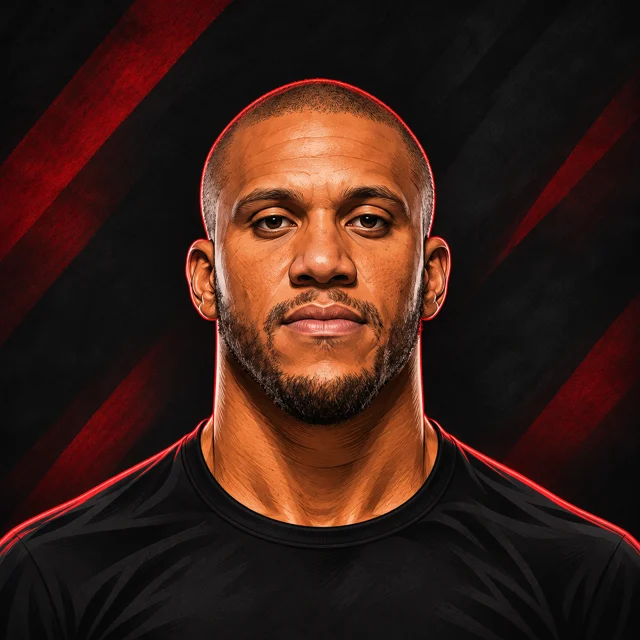
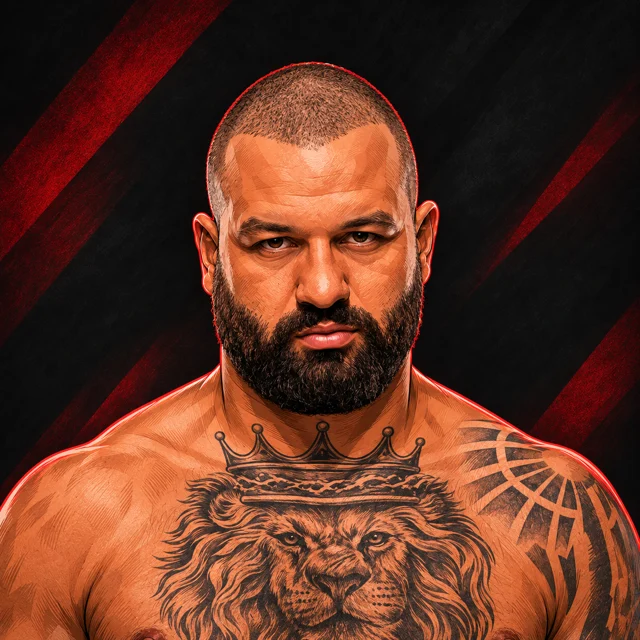
Gane offers the more established long-range striking game; Hokit brings a wrestling background and an unbeaten run into the biggest assignment of his career. Our lean is Gane because a fight repeatedly resetting in open space should give him more opportunities to score without accepting prolonged exchanges.
Ciryl Gane’s path
Gane needs to make Hokit restart: jab, kick the body, move laterally and separate promptly after contact. He should resist chasing a finish that gives the challenger an easy clinch.
Josh Hokit’s path
Hokit needs pressure with a purpose. Cut off the exit, connect punches to body locks and make Gane work to stand up. Forcing several consecutive defensive actions is more valuable than one isolated takedown.
What could change the call: We are not assuming Gane has solved every grappling problem. If Hokit keeps him pinned or returns him to the mat after the first escape, the central assumption behind this prediction weakens.
WATCH EARLY
Watch the first clean clinch: does Gane recover open space, or does Hokit turn one entry into a long sequence?
Can Harrison force the fight into her strongest phase?
OUR PREDICTED WINNERKayla HarrisonLow confidence
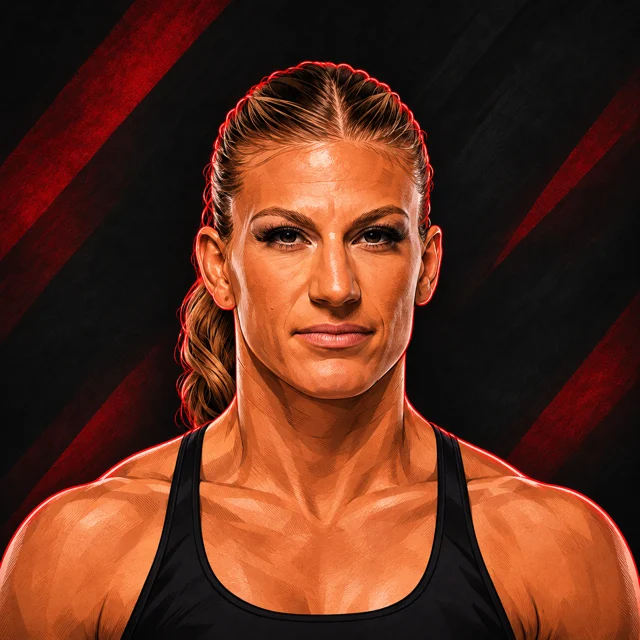
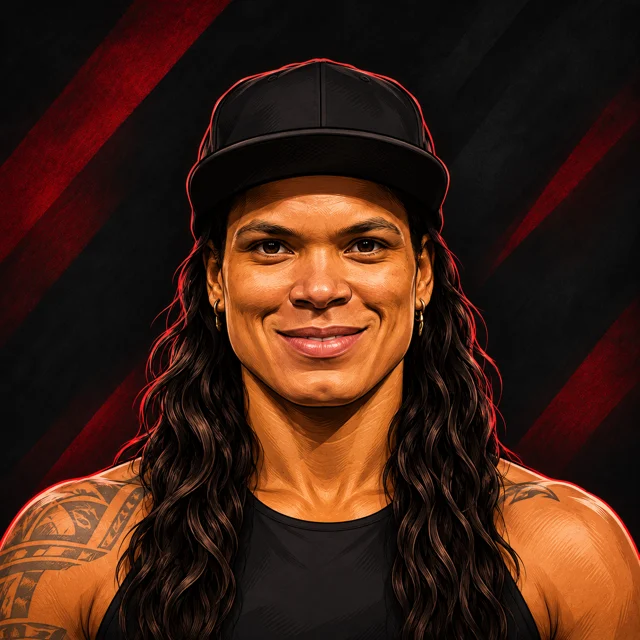
Harrison’s clinch and top-position game provide the clearest repeatable route in our assessment. Nunes brings championship experience and dangerous offense, but her long competitive absence makes it difficult to project her current timing. Harrison’s own return after neck surgery keeps this a low-confidence call.
Kayla Harrison’s path
Harrison should close behind a disciplined guard, connect to the hips and make Nunes defend position before she can build combinations. Advancing patiently on top matters more than rushing a submission.
Amanda Nunes’s path
Nunes needs to punish the approach, keep her back off the fence and force Harrison to cover distance again. Clean separation after each clinch is essential to preserving her striking opportunities.
What could change the call: This is not simply judo against punching. Nunes can grapple, and Harrison must safely get to her preferred positions. Neither fighter’s return should be treated as a guaranteed continuation of her best past form.
WATCH EARLY
Watch whether Harrison can establish a second grip after Nunes breaks the first. Repeated failed entries could change the pace of the fight.
Borralho’s ability to connect phases is our deciding factor. Belgaroui’s kickboxing background makes an extended striking contest a dangerous choice. We prefer Borralho if he keeps presenting different problems instead of agreeing to a clean distance duel.
Caio Borralho’s path
Borralho can use level changes, fence pressure and positional control to interrupt Belgaroui’s rhythm. Even unsuccessful takedown attempts can help only if they create meaningful offense or better positions afterward.
Yousri Belgaroui’s path
Belgaroui should keep the fight long, strike on the entry and immediately work free when Borralho connects. Making the grappler pay for unsuccessful approaches would shift the matchup.
What could change the call: Borralho cannot bank rounds just by attempting to wrestle. Belgaroui can win exchanges while defending, and Borralho may have to cross a dangerous range repeatedly.
WATCH EARLY
Watch whether Belgaroui is balanced enough to counter after defending a shot, or is spending the next exchange recovering his stance.
Medic’s recent finishing momentum gives him the narrow lean, but Holland’s length and ability to improvise make this one of our least comfortable selections. The question is whether Medic can create a clean second attack without overextending on the first.
Uros Medic’s path
Medic should use pressure and body work to make Holland’s exits predictable. He needs combinations that end in a balanced stance, not a single all-or-nothing rush.
Kevin Holland’s path
Holland can draw attacks short, answer as Medic resets and threaten submissions if the fight becomes a scramble. His documented submission of Vicente Luque is a reminder that the danger is not limited to standing exchanges.
What could change the call: A quick-finish streak says little about how a fighter will manage this particular opponent over three rounds. If Holland survives cleanly and makes Medic miss, our lean becomes much less convincing.
WATCH EARLY
Watch Medic’s posture after combinations: can he defend the counter or level change immediately?
Hasan’s range and attacking variety give him our preference. Gurule’s experience makes this a useful test of whether the newcomer can maintain good decisions when an opponent refuses to disappear after the first burst.
Bilal Hasan’s path
Hasan should establish his range, vary targets and let openings develop. A measured pace would allow him to build offense without turning every exchange into a contest of toughness.
Luis Gurule’s path
Gurule needs to break the rhythm, make Hasan reset and find exchanges on his own terms. Sustained resistance and controlled pressure could expose the limits of a small UFC sample.
What could change the call: We do not treat high early-career output as a stable long-term baseline. Hasan still has to show how his game works when a more experienced opponent extends the contest.
WATCH EARLY
Watch whether Hasan stays selective after an initial attack fails. Chasing harder is not automatically the same as fighting better.
This is a tactical lean toward Radtke, not a judgment on Thompson’s legacy. Thompson is most comfortable when he can manage distance; Radtke has recently demonstrated a grappling-led route to winning rounds. We narrowly favor the fighter more likely to insist on prolonged contact.
Stephen Thompson’s path
Thompson should hold the center, change angles before his back reaches the fence and make Radtke pay for following him. His cleanest route is repeated separation into fresh striking exchanges.
Charles Radtke’s path
Radtke needs to close without walking onto counters, then chain clinch work into takedowns and meaningful offense. Simply chasing Thompson around the perimeter will not be enough.
What could change the call: Pressure only works if the entry is safe. If Radtke cannot connect, Thompson can make him look a step behind. That uncertainty keeps the confidence low.
WATCH EARLY
Watch where the first minute happens: open center favors Thompson’s preferred fight; sustained fence contact supports the Radtke lean.
The best plan may be to avoid the easiest invitation
OUR PREDICTED WINNERChris DuncanLow confidence
Duncan gets the narrow preference because he can mix clinch and grappling work into the striking exchanges. Dober’s power means that choosing to trade for long stretches could erase that advantage quickly.
Drew Dober’s path
Dober should keep his feet under him, punish Duncan’s entries and make the fight return to punching range. Forcing Duncan to react defensively before he can wrestle is central to his route.
Chris Duncan’s path
Duncan should create transitions after combinations, make Dober defend against the fence and avoid treating a hurt opponent as permission to abandon position.
What could change the call: Duncan’s own submission loss to Renato Moicano is a useful reminder that adding grappling does not make him safe in every scramble. This prediction depends on tactical discipline, not invulnerability.
WATCH EARLY
Watch whether Duncan changes levels after Dober answers him. If he keeps accepting the same exchange, the rationale for this pick weakens.
McKinney’s explosive starts give him the lean, but this matchup can change character quickly. Miller’s experience and submission threat become more important if he survives the initial exchanges without taking decisive damage.
Jim Miller’s path
Miller needs sound defense before offense: protect himself during the opening burst, avoid conceding his back and look for opportunities when McKinney’s attack creates a loose transition.
Terrance McKinney’s path
McKinney should bring speed without surrendering balance. A strong opening is useful; a rushed pursuit that puts his neck or back in danger is not.
What could change the call: This is one of the card’s widest-variance fights. Our winner preference is not a confident prediction of a quick finish, and extending the fight could favor a very different set of skills.
WATCH EARLY
Watch whether McKinney is still choosing his attacks after the first scramble or simply trying to force the finish.
Johnson’s unbeaten start includes wins by strikes, submission and decision. Our preference rests on his ability to make Almeida defend more than a striking contest. Almeida’s technical stand-up makes a straightforward exchange of punches a much less attractive matchup for Johnson.
Donte Johnson’s path
Johnson should connect his forward pressure to takedowns and keep Almeida working from uncomfortable positions. Alternating threats is the practical advantage we want to see.
Cesar Almeida’s path
Almeida needs to keep his base, deny the first grip and make Johnson pay for entries. Each clean reset gives him another chance to operate in his preferred striking phase.
What could change the call: Johnson is still early in his professional development. A perfect record does not establish that he can consistently execute a complex game plan against this level of striker.
WATCH EARLY
Watch the first defended takedown: does Johnson chain to another attack or stay in front of Almeida exchanging?
Costa gets our preference for a contest built around movement and varied attacks. His move to lightweight adds uncertainty: Gordon can test whether that offense survives sustained contact with an established opponent at the weight.
Jared Gordon’s path
Gordon should make the cage smaller, connect to the hips and turn escapes into further work. He needs meaningful offense from control rather than assuming position alone will decide rounds.
Melquizael Costa’s path
Costa should maintain space, vary targets and avoid being caught stationary at the end of combinations. Fast exits after contact are central to keeping his attacking options available.
What could change the call: We are not assuming performance at another weight transfers unchanged. Gordon’s ability to hold Costa in place is the clearest threat to this forecast.
WATCH EARLY
Watch the second escape, not just the first. Costa must repeatedly regain useful space, rather than stand up only to be tied up again.
Mesquita’s elite grappling and successful submission work in the UFC give her the lean. The difficult part is earning the position against Chiasson; credentials alone do not put an opponent on the canvas.
Macy Chiasson’s path
Chiasson should force Mesquita to enter through strikes, use frames to break contact and prioritize separation rather than prolonged scrambling with a specialist.
Bia Mesquita’s path
Mesquita needs patient entries and secure control before hunting the finish. If she gets a back take or isolates an arm, Chiasson will have to solve a very demanding defensive problem.
What could change the call: A fighter can be the better submission grappler and still lose a match fought mostly on the feet. Mesquita’s entry success is more important here than her reputation.
WATCH EARLY
Watch whether Mesquita can stay connected after Chiasson’s first defensive frame. One failed shot should not be mistaken for a settled matchup.
Diaz remains our lean after Alatengheili replaced Adrian Yanez. Diaz’s submission win over Malcolm Wellmaker shows that his offense can carry into grappling exchanges, but the replacement brings a different problem from the original booking.
Alatengheili’s path
Alatengheili needs to make the contest compact and disciplined, interrupt Diaz’s rhythm and force him to work for every transition. The late booking is a question about preparation, not proof of poor conditioning.
Juan Diaz’s path
Diaz should use a complete game: strike into contact, pursue opportunities as they develop and avoid forcing the same sequence against a new style of opponent.
What could change the call: Diaz has limited UFC evidence, and late opponent changes affect both athletes. We favor him without treating the short-notice replacement as an automatic mismatch.
WATCH EARLY
Watch how Diaz adapts when his first preferred entry is stopped. The ability to switch plans could matter more than the first exchange.
Sanches brings an 11–1 record and eight knockout wins into his UFC debut. Those results justify interest, but they do not tell us exactly how he will handle Elder. Our narrow lean is toward Sanches’ finishing threat, with a low rating because the step in competition is meaningful.
Evan Elder’s path
Elder should turn the fight into a sequence of decisions: make Sanches reset, vary the pace and force him to defend as well as attack. A debutant’s best burst should not dictate every exchange.
Samuel Sanches’s path
Sanches needs to retain his composure, choose clean openings and avoid spending all his energy chasing an early highlight. His power is more useful when his feet remain underneath him.
What could change the call: This is a projection with limited UFC evidence. Elder’s experience could prove more valuable than the prospect’s regional finishing record, especially if the opening attacks fail.
WATCH EARLY
Watch Sanches after his first missed power combination: does he reset calmly or become easier to counter?
Entries, not reputations. A grappling advantage only matters when a fighter can safely make contact. Harrison, Borralho and Mesquita all need to earn their preferred positions.
The reset after the first attack. Against explosive opponents, survival is only the beginning. Watch who is balanced, who owns the center and who has to react again.
What the evidence does not show. Debuts, long absences, a new weight class and late replacements all limit how confidently past performances can be projected forward.
Your picks should tell your story.
Agree with our main-event call? Think Nunes changes the title picture? Have Miller finding the submission? Make your own selections in the free Superbeast MMA picks game and compare your calls with the community.
Published November 13, 2026. Matchups and scheduling were checked against the UFC viewing guide, event page and November 10 card-change notice. Individual background sources appear beside each breakdown. All winner selections, confidence labels and tactical interpretations are Superbeast MMA editorial opinions; source links do not imply that those outlets endorse our picks.
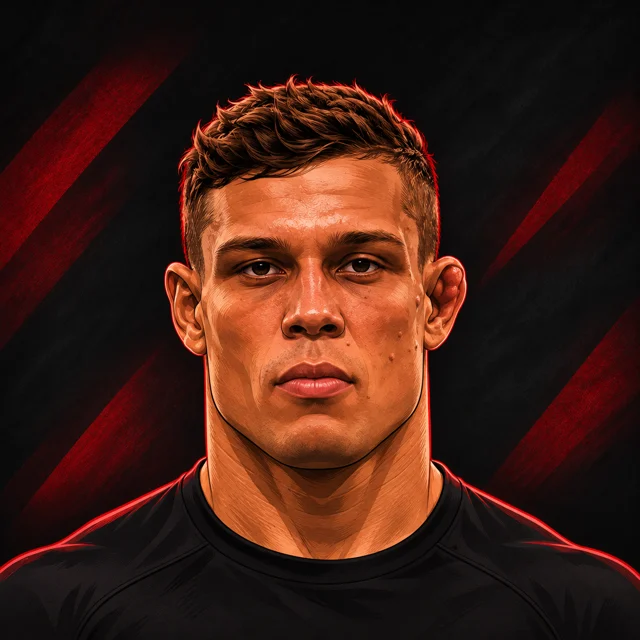
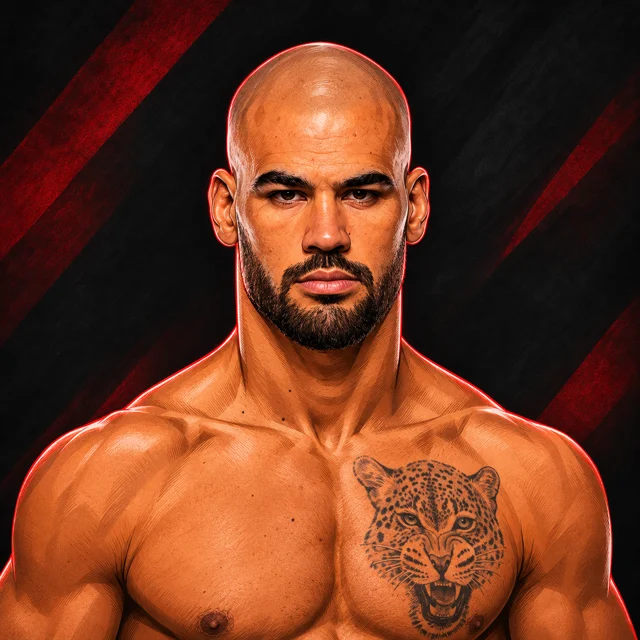
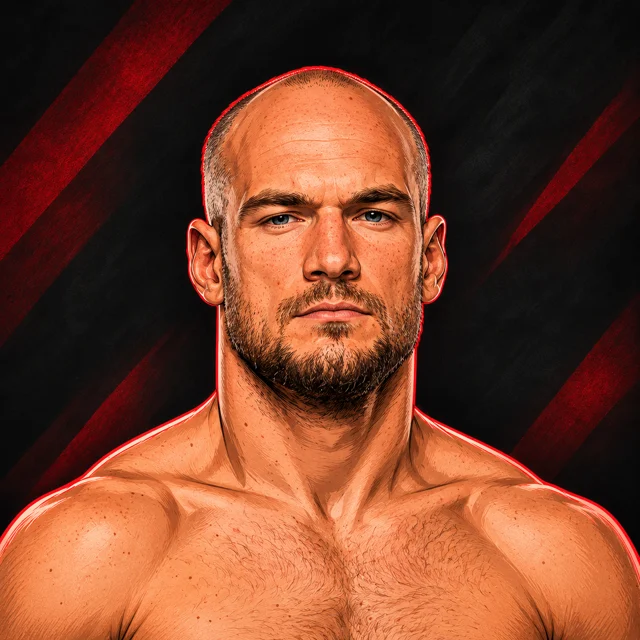
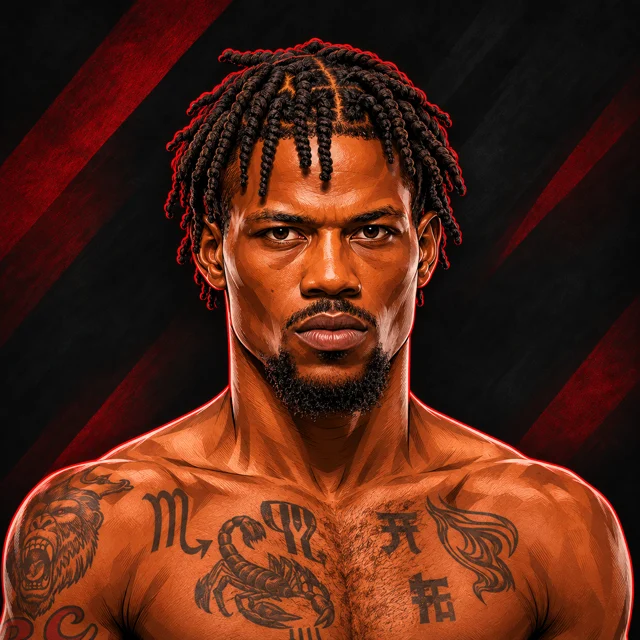
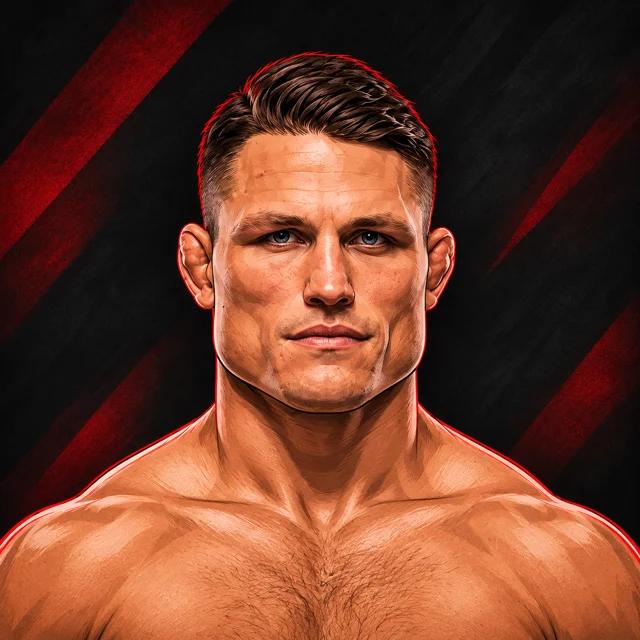
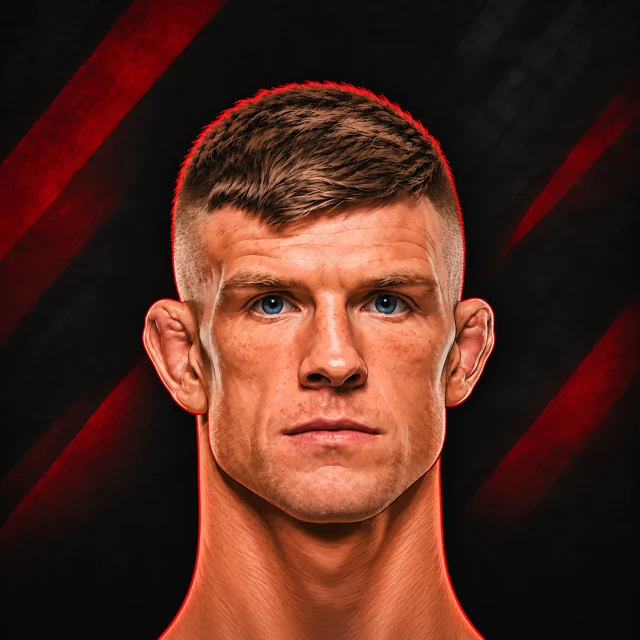
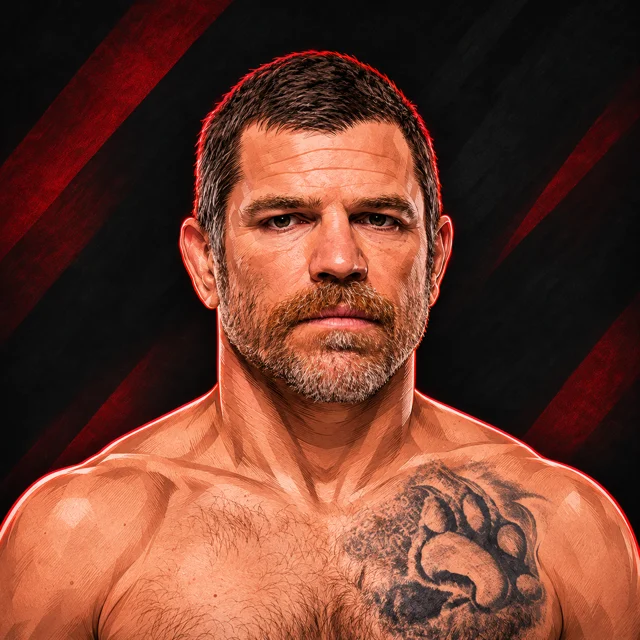
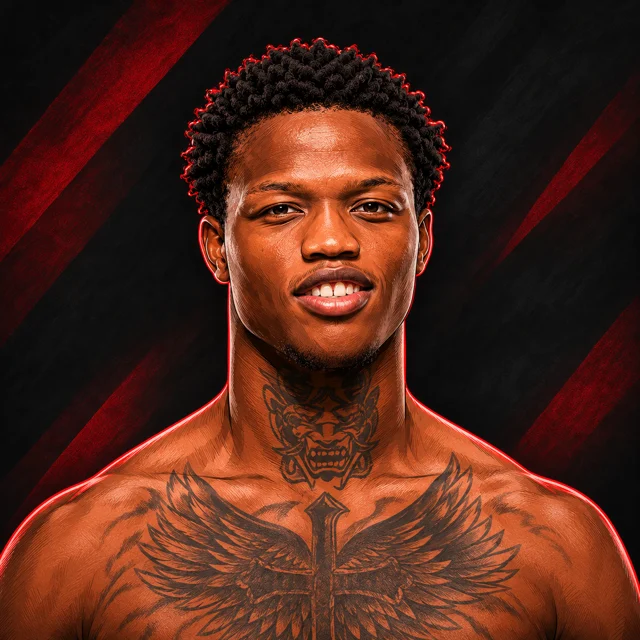
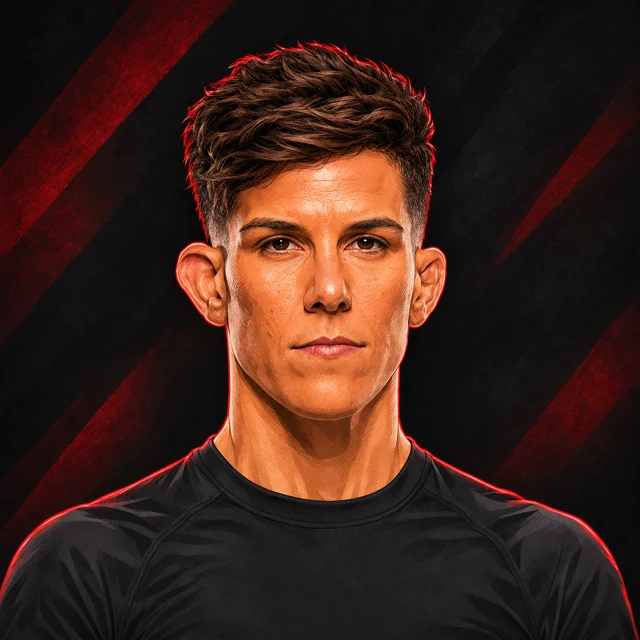
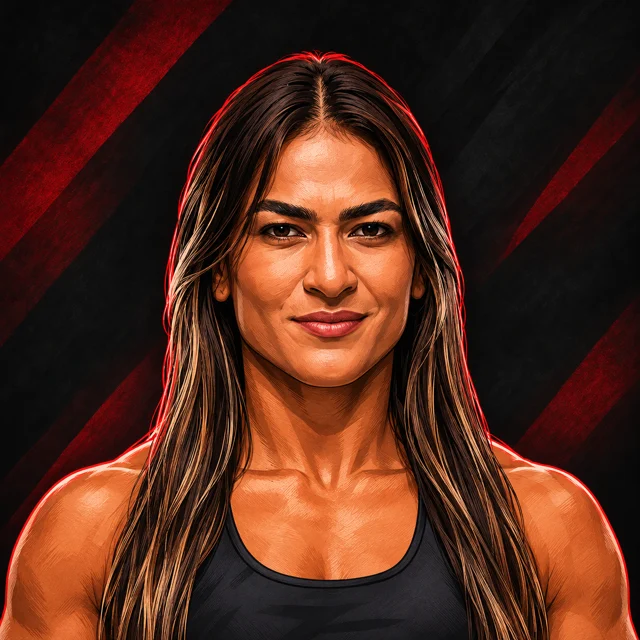
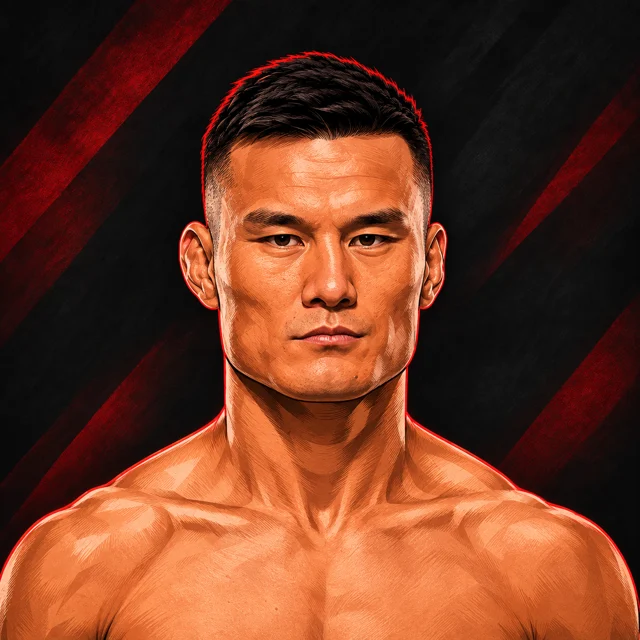
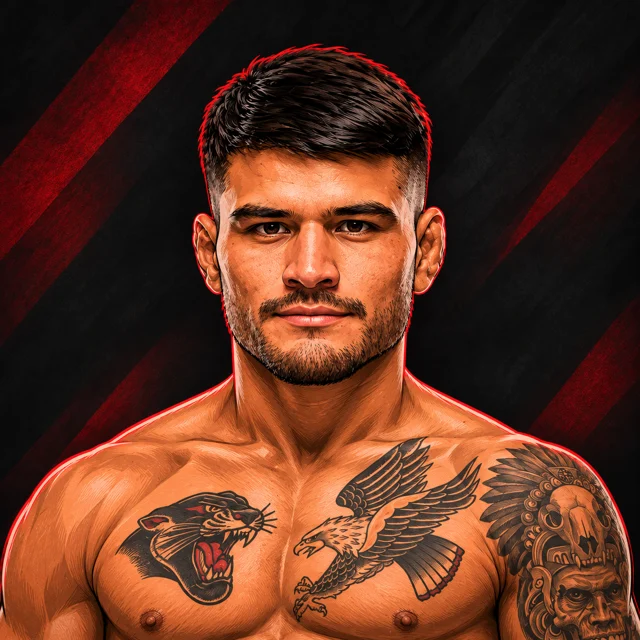
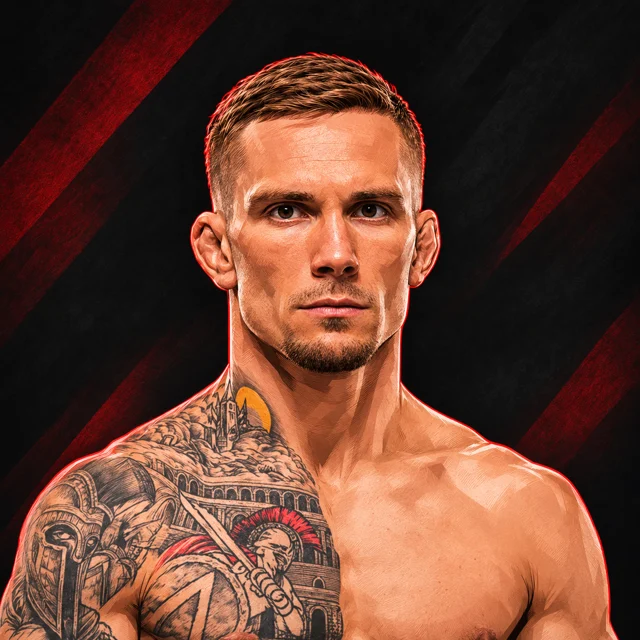
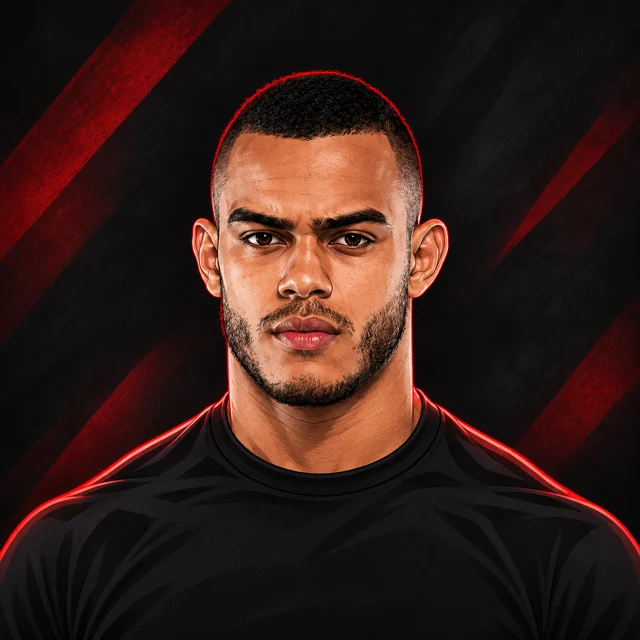
Fighter artwork is reused from the Superbeast MMA app’s existing illustration collection. This is independent fan coverage, not an official UFC publication. This edition is a dated preview and is not a live lineup or results feed.
 SUPERBEAST MMA