SUPERBEAST MMA · ORIGINALS Independent fight coverage
DEFIANCE ALLIANCE
Superbeast Originals / The countdown

MMA’S 10
GREATEST
WHAT-IFS.

The fights, careers and moments that could have changed everything.

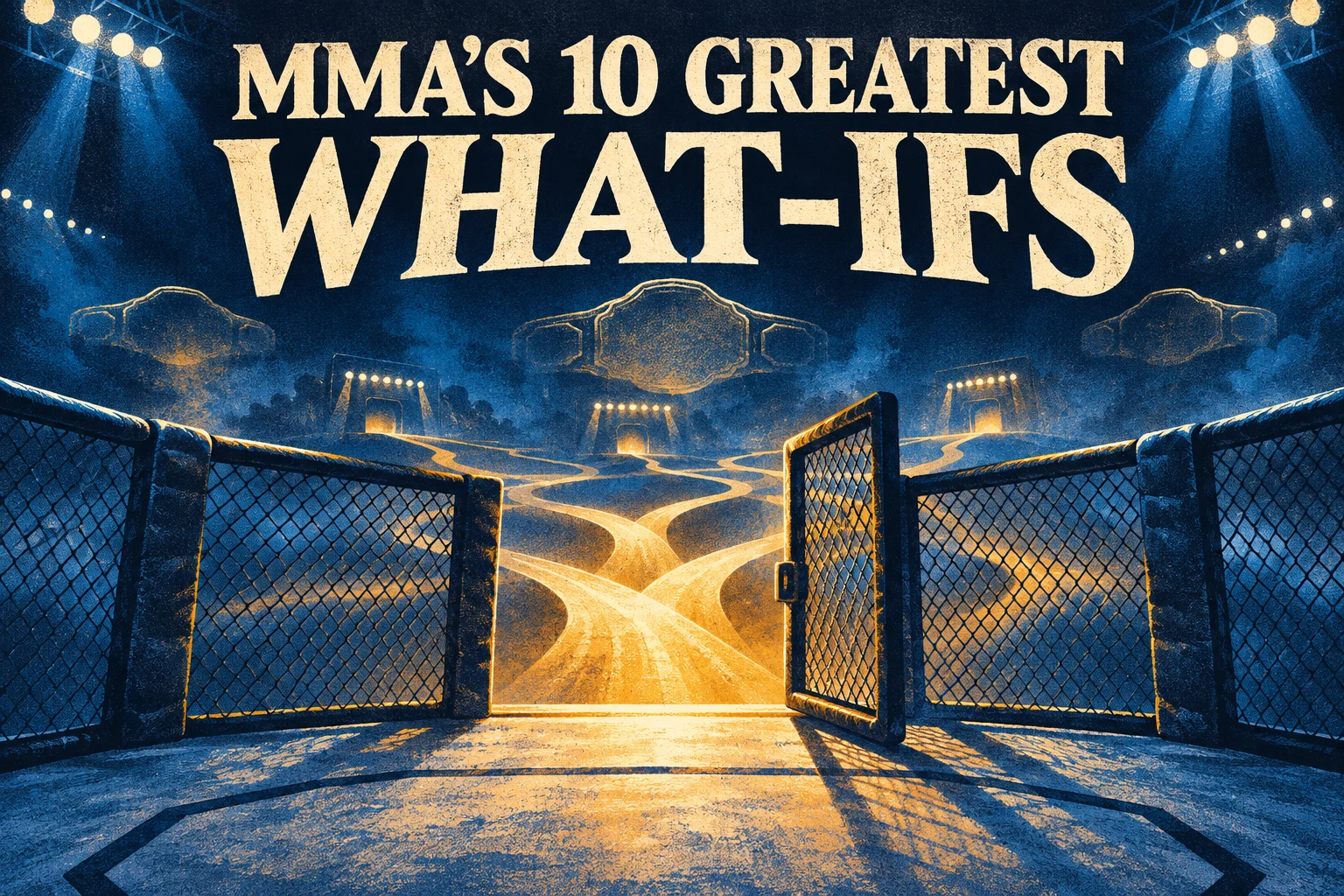
Illustration of an open MMA cage leading to branching paths and imagined championship possibilities
Ten unanswered questions. Countless possibilities. Original editorial illustration.

MMA gives us winners, losers and an endless supply of arguments about what might have happened.

Sometimes the missing piece is a dream fight that never made it past negotiations. Sometimes it is a healthy training camp. Sometimes it is less than two minutes on the clock.

The best what-ifs have something real behind them: a booking, an extraordinary performance, or a career that left room for more. This countdown ranks those possibilities by their potential impact and how compelling the unanswered question remains.

10The card that disappeared

What if Dan Henderson had made it to UFC 151?

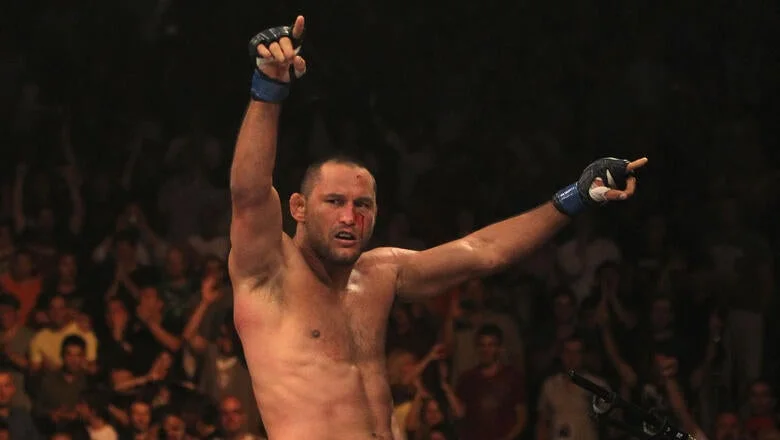
Dan Henderson in competition. Archival image via UFC.
Dan Henderson in competition. Archival image via UFC. Image source ↗

In 2012, Dan Henderson was scheduled to challenge Jon Jones for the UFC light heavyweight championship. A knee injury forced Henderson out. Jones declined a replacement fight against Chael Sonnen, and the UFC canceled the event. [1]

Henderson’s right hand gave this matchup its appeal. Jones offered length, creativity and a much broader range of weapons, but Henderson could make an opponent pay for one mistake.

Jones would have presented enormous problems. Still, the attraction was watching an established knockout threat try to solve a champion who seemed to have an answer for almost everyone.

A Henderson victory could have changed the direction of Jones’ early reign. Even a competitive fight would have given us something the cancellation never could: evidence.

Why the cancellation mattered beyond the main event

The scheduled September 1, 2012 card was lost altogether. Henderson’s knee injury therefore had consequences for the other fighters preparing to compete, as well as for the championship. Jones instead faced Vitor Belfort at UFC 152 later that month. The original title challenge was a missed sporting opportunity inside a much larger disruption. [1]

The tactical question

In our analysis, Henderson’s best route would have required more than waiting for a right hand. He would need to make Jones exchange at a workable distance without spending long stretches being controlled or hit from outside. Jones could force him to solve that problem repeatedly; Henderson might need only one successful exchange to change the fight.

What could change: A Henderson win would interrupt Jones’ championship story and make a rematch an obvious possibility. A Jones win could instead strengthen his record against another established challenger. The missing fight matters even if your prediction strongly favors the champion: an expected result and a demonstrated result are different things.

09An unfinished education

What if Brock Lesnar had enjoyed a healthier MMA career?

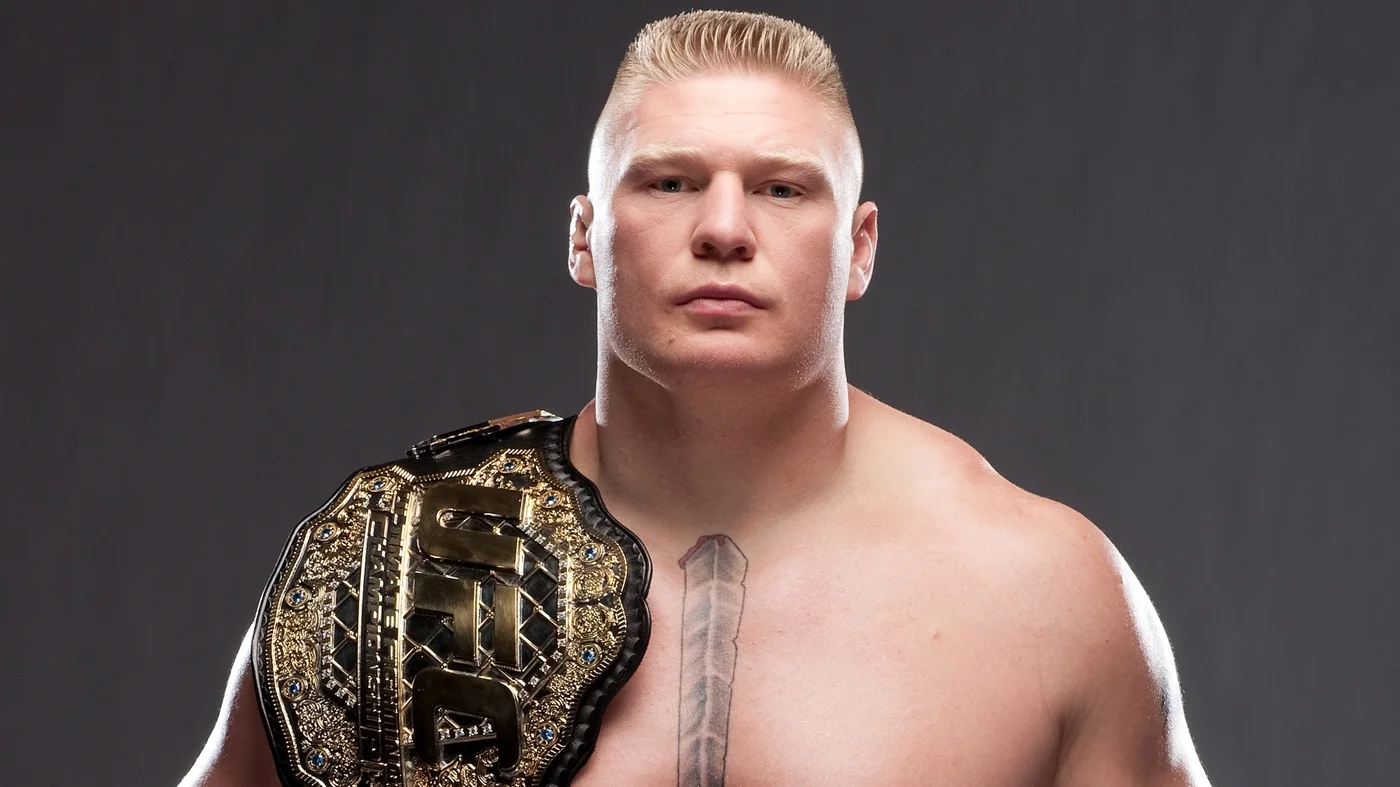
Brock Lesnar with the UFC heavyweight championship. Gavin Bond / Zuffa, via UFC.
Brock Lesnar with the UFC heavyweight championship. Gavin Bond / Zuffa, via UFC. Image source ↗

Lesnar’s run produced a UFC heavyweight championship despite his limited professional MMA experience. It also included serious bouts of diverticulitis and surgery in 2011 that removed part of his colon. [2]

That leaves a question about development. How much more could he have learned with uninterrupted training, regular fights and fewer health setbacks?

His wrestling, size and athleticism created obvious opportunities. His difficulties under striking pressure created equally obvious work to do. Better health would not automatically have fixed those weaknesses.

But consistent time in the gym might have helped him address them. Lesnar’s story leaves us wondering how far the fighter could have progressed once the extraordinary athlete had more time to learn.

Lost development, not just lost fight dates

The interruptions arrived during a period when Lesnar was still learning at the highest level. He returned from his first major illness setback to beat Shane Carwin at UFC 116 in 2010. A recurrence then removed him from the planned Junior dos Santos fight at UFC 131 in 2011. The gaps affected both his schedule and the training time available between demanding opponents. [2] [11]

What uninterrupted training might have changed

Our case for a healthier Lesnar is about repetition: getting more comfortable reacting to punches, connecting defensive movement to a takedown, and finding an exit when his first attack failed. Athleticism could create an opening, but those transitions would determine whether he could keep using it against elite opposition.

The limit of the argument: Removing an illness does not remove an opponent’s skills. Nor can we know how quickly Lesnar would have improved. The strongest version of this what-if gives him more opportunities to develop and test himself; it does not award him victories he never earned.

08The fight fans wanted

What if Ronda Rousey and Cris Cyborg had fought at their peaks?

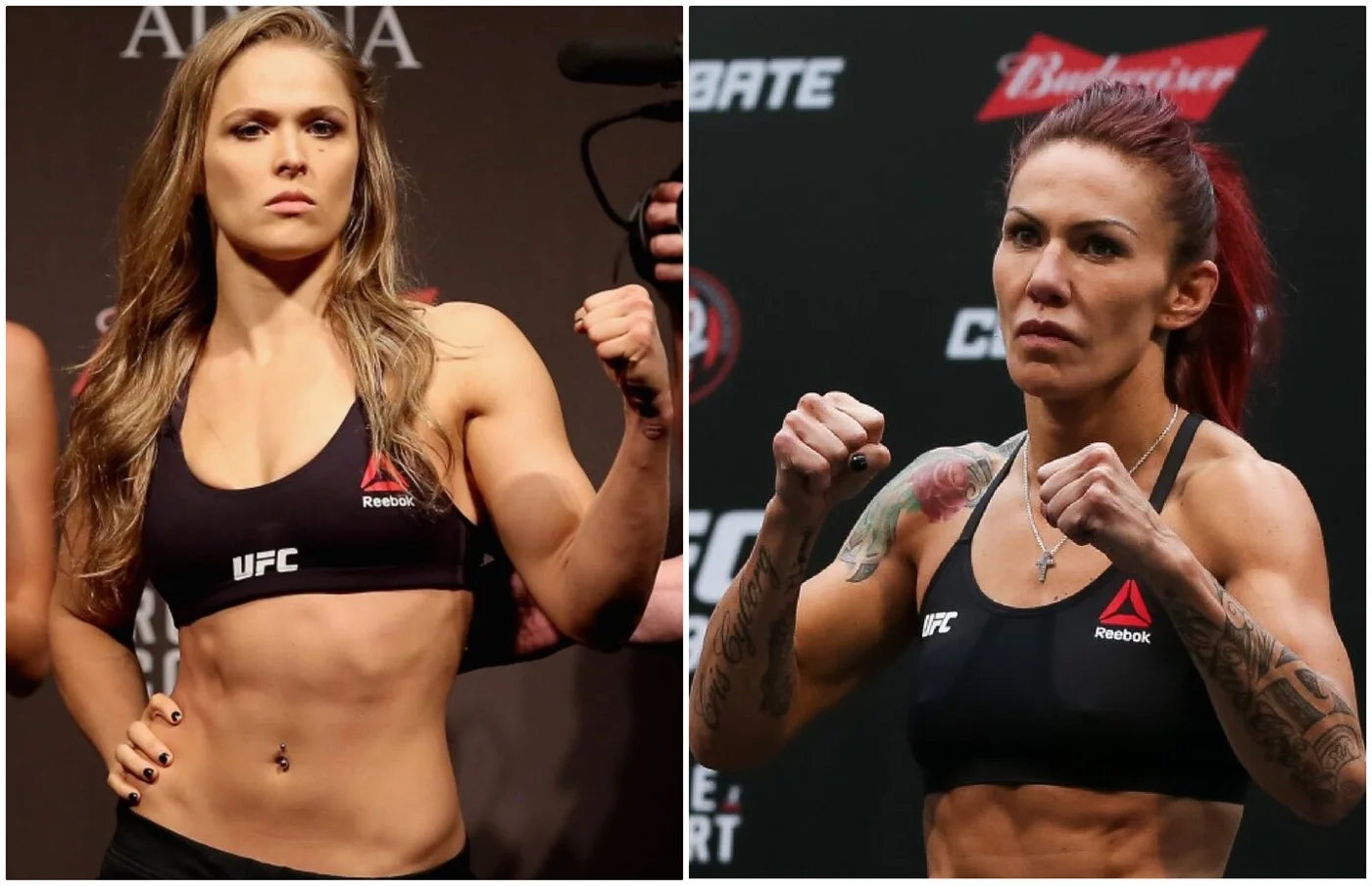
Ronda Rousey and Cris Cyborg pictured separately. Composite via The Washington Post.
Ronda Rousey and Cris Cyborg pictured separately. Composite via The Washington Post. Image source ↗

For years, this matchup carried the feeling of unfinished business. Weight was a major sticking point: Rousey competed at bantamweight, while Cyborg’s established division was featherweight. Public exchanges never became the fight fans wanted. [3]

The appeal was immediate. Could Rousey close distance, establish her clinch and force a grappling exchange? Could Cyborg punish the entry and keep the fight in her preferred range?

The agreed weight would have mattered, too. Fans often picture both fighters at their absolute best without considering what reaching a particular limit might have required.

A prime meeting could have shaped how an entire generation understood women’s MMA. Instead, fans were left comparing performances against other opponents.

The missing agreement was part of the matchup

This was a clash between established fighters in different weight classes, not simply a contest waiting for an available date. UFC coverage of the debate recorded Rousey’s insistence on 135 pounds and the difficulty Cyborg faced even making featherweight. A catchweight proposal could not settle those competing positions by itself. [12] [13]

Why the first exchange would matter so much

Our tactical reading starts before either fighter reaches her preferred position. Rousey would need to cross striking range without taking damage that compromised her clinch. Cyborg would need to make that entry expensive while avoiding the grip and body position that could turn a striking exchange into a throw.

That creates two plausible stories: Rousey forcing an early grappling sequence, or Cyborg breaking up entries and extending the fight at distance. Neither becomes inevitable merely because it matches a fighter’s reputation.

What could change: A meeting at an agreed, workable weight could have connected two parallel claims to greatness. A result after an especially difficult weight cut, however, might have generated another argument about conditions rather than ending the debate.

07Thirteen seconds. An entire era.

What if José Aldo had beaten Conor McGregor?

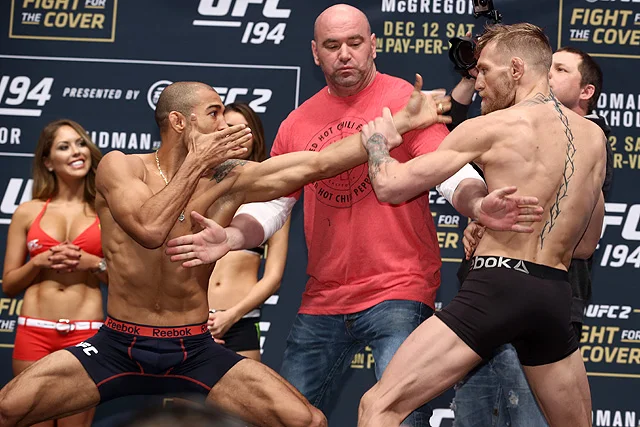
José Aldo and Conor McGregor at the UFC 194 weigh-in
José Aldo and Conor McGregor at the UFC 194 weigh-in. Via Sherdog. Image source ↗

McGregor knocked out Aldo in 13 seconds at UFC 194, ending the Brazilian’s long unbeaten run and taking the undisputed featherweight championship. [4]

The finish was decisive. The what-if concerns the enormous consequences of reversing it.

Imagine Aldo surviving the opening exchange, finding his rhythm and winning. McGregor could still have become a major attraction, but the momentum around him would have looked very different.

Would the same opportunities have arrived on the same timetable? Would his pursuit of championships in multiple divisions have carried the same force?

Aldo’s legacy also would have acquired a defining victory over the challenger who had commanded so much attention. Thirteen seconds settled the fight and helped determine how the next chapter would be told.

A long buildup compressed into one exchange

The fight had already been postponed from its original July booking because of an Aldo injury. When it finally happened in December 2015, McGregor ended a winning run that stretched back to 2005. That context explains why the brief finish carried the emotional weight of something much longer. [4]

Surviving the opening is only the beginning

In our hypothetical version, giving Aldo more time does not automatically give him the fight. He would still have to negotiate McGregor’s reach, stance and counter threat. The interesting question is whether Aldo could build a more measured contest, change the rhythm and make McGregor respond to several kinds of attack.

McGregor, in turn, would still have the chance to punish a rushed entry or take control of the striking distance. The real knockout is evidence of what happened in that exchange; it cannot tell us every round that might have followed a different opening.

What could change: An Aldo victory could preserve the featherweight division’s existing hierarchy and interrupt McGregor’s momentum. Predicting the exact commercial or matchmaking consequences goes further than the evidence allows.

06One minute, fifty seconds

What if Chael Sonnen had survived the final round against Anderson Silva?

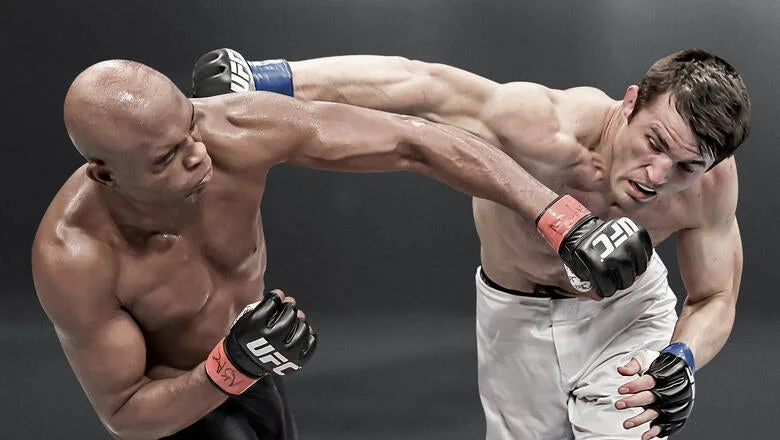
Anderson Silva and Chael Sonnen at UFC 117
Anderson Silva and Chael Sonnen at UFC 117. Via UFC. Image source ↗

At UFC 117, Sonnen pushed Silva toward a stunning defeat before the champion secured a submission at 3:10 of the fifth round. Sonnen had only 110 seconds left to survive. [5]

That tiny stretch of time separates two completely different memories of the night.

In one, Sonnen delivers an extraordinary upset after backing up months of talk. In the other, Silva produces a comeback that becomes part of his legend.

Getting through those final moments would not have guaranteed Sonnen a long reign. It would, however, have changed the championship result and the meaning of everything that preceded it.

Few what-ifs are so easy to locate. You can watch this one happen, with the clock running in the corner.

Why the clock is central to this what-if

Sonnen’s takedowns and offense from top position had put Silva in sustained trouble. The late submission combined a triangle threat with pressure on the arm as Sonnen tried to escape. With the official finish recorded at 3:10 of round five, the remaining 110 seconds became the most tempting piece of imaginary fight management in the sport. [14] [15]

“Play it safe” still requires decisions

It is easy to tell a fighter, after watching the replay, to avoid the one sequence that ended everything. Inside the fight, every option carries a cost. Continuing to attack can open a submission opportunity. Changing position can create a scramble. Disengaging can give a dangerous striker room to work.

Our alternative scenario asks whether Sonnen could manage those risks through the final horn. It does not assume Silva had exhausted every other way of threatening him.

What could change: On the sporting evidence of the fight, reaching the judges would have put Sonnen in a very strong position to take the championship. That would transform the night’s story, while leaving the questions of a rematch and any lasting reign unanswered.
05The cost of lost time

What if Cain Velasquez had stayed healthy?

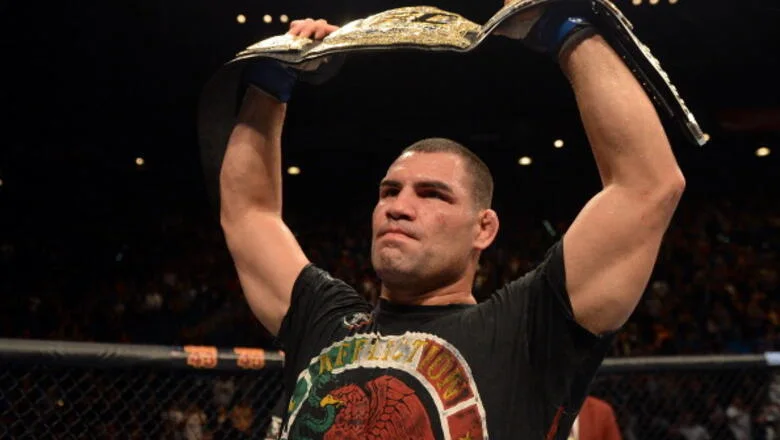
Cain Velasquez celebrates with the heavyweight championship
Cain Velasquez celebrates with the heavyweight championship. Via UFC. Image source ↗

Velasquez became a two-time UFC heavyweight champion, but shoulder, knee and back problems repeatedly interrupted his career. A lengthy absence followed his 2013 title defense before he returned against Fabricio Werdum in 2015. [6]

At his best, Velasquez made heavyweight fighting look exhausting. He combined wrestling pressure, combinations and a pace that opponents struggled to escape.

The temptation is to give an imaginary healthy Velasquez every championship defense he missed. That goes too far. Opponents evolve, difficult matchups remain difficult, and heavyweight fights can turn on one punch.

What better health might have provided was the chance to build a longer body of work. His place among heavyweight greats would be easier to assess if we had seen more of him competing consistently.

The division continued while its champion waited

A knee injury forced Velasquez out of UFC 180, where Werdum instead faced Mark Hunt for an interim championship. Their eventual unification fight at UFC 188 followed a roughly twenty-month gap since Velasquez’s previous appearance. The layoff therefore changed the championship picture as well as the number of fights on his record. [16] [17]

More activity would produce more evidence

Our healthy-career scenario creates room for opponents to test whether they could interrupt his pressure before it became a sustained cycle of wrestling and offense. It also creates chances for Velasquez to refine that approach against different styles rather than returning after another long break.

The Werdum problem would not disappear in that version. A dangerous submission fighter can make an otherwise effective takedown decision complicated. Better continuity could help a champion prepare; it cannot make every matchup favorable.

What could change: More regular appearances could produce a clearer record of championship consistency. They could also expose limitations sooner. The value of the hypothetical is the fuller career we might have been able to assess, not a guaranteed number of defenses.

04Two kings. One unanswered question.

What if Georges St-Pierre and Anderson Silva had met in their primes?

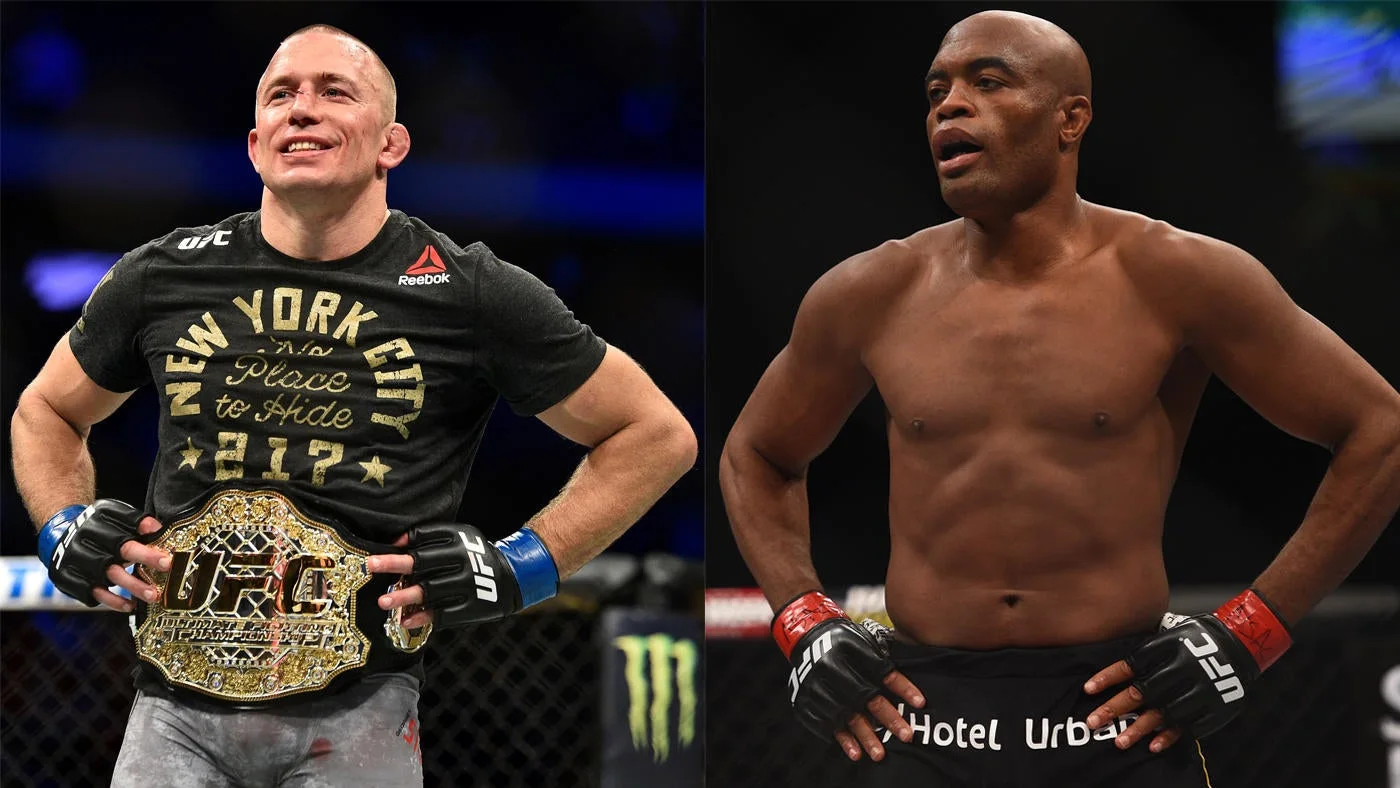
Georges St-Pierre and Anderson Silva pictured separately. Composite via CBS Sports.
Georges St-Pierre and Anderson Silva pictured separately. Composite via CBS Sports. Image source ↗

This superfight reached the point of public discussion about a catchweight and a possible stadium venue in 2012. It never became an actual contest. [7]

Its appeal went beyond two famous names. St-Pierre’s preparation, wrestling and positional discipline offered a fascinating challenge to Silva’s timing, creativity and finishing ability.

Could St-Pierre get inside safely enough to dictate where the fight happened? Could Silva turn a predictable entry into a decisive counter?

Size and the agreed weight would have influenced both questions. Neither fighter’s dominance in his own division supplies a certain answer.

A prime meeting would have given MMA a rare test between two champions whose greatness was already established. The absence of that test still leaves plenty to argue about.

There was a proposal, but no completed agreement

In 2012, the public discussion included a possible 180-pound catchweight and Cowboys Stadium. At the time, St-Pierre held the welterweight championship at 170 pounds and Silva the middleweight championship at 185. Those details matter because the imagined superfight required choices about size and preparation before anyone could solve the tactical puzzle. [7]

The contest between entries and counters

Our analysis centers on how St-Pierre would disguise his approach. A predictable shot from too far away could expose him to Silva’s striking. A well-prepared entry could instead put Silva in a position where the fight became about balance, control and standing back up.

For Silva, creating hesitation could be as valuable as landing one dramatic counter. For St-Pierre, making the threat of a takedown believable could change the striking exchanges even when he chose not to shoot.

What could change: A prime meeting would offer evidence for a major pound-for-pound debate. It would still be one contest under particular weight conditions, not a universal answer to which athlete was greater across every part of his career.

03A different MMA landscape

What if PRIDE had survived as a major rival?

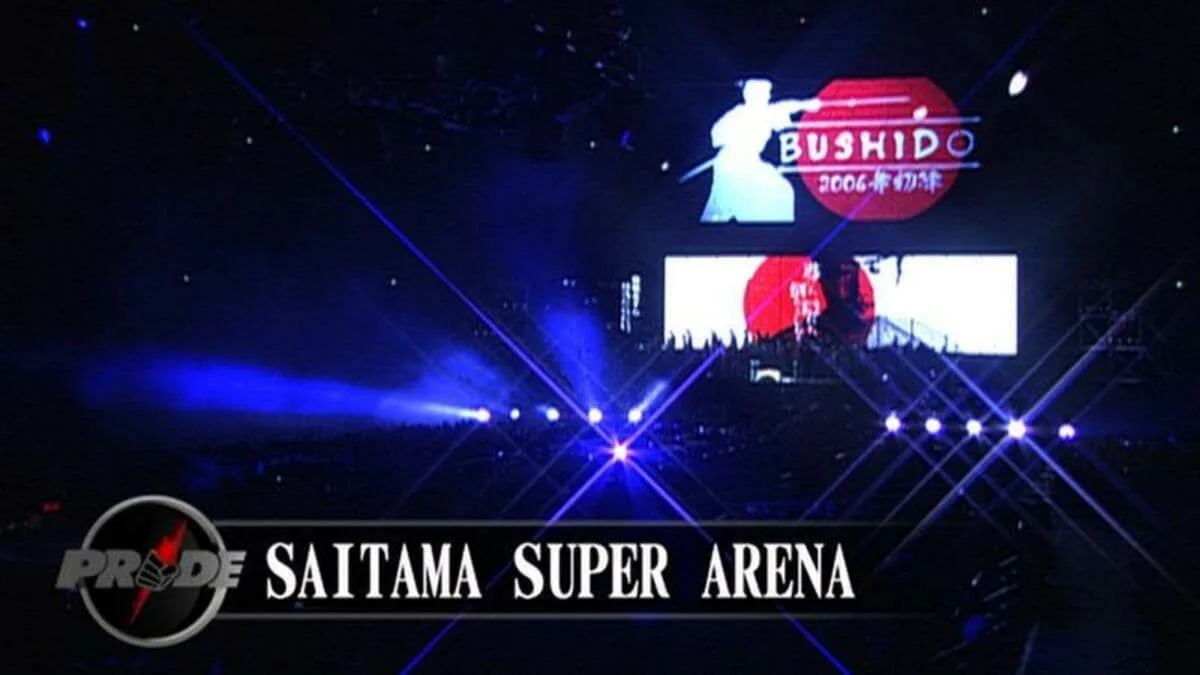
PRIDE’s arena presentation in Japan
PRIDE’s arena presentation in Japan. Via ABEMA Times. Image source ↗

PRIDE was purchased by the UFC’s owners in 2007, and its run of events ended that year. [8]

Imagine a viable version of PRIDE continuing alongside the UFC: another major destination for elite fighters, major tournaments and a distinct presentation of the sport.

That could have affected where athletes signed, which divisions developed fastest and how much competition existed for leading talent.

There is a complication. Separate promotions can also keep great opponents apart. A surviving PRIDE might have created new opportunities while preserving frustrating barriers to other fights.

This what-if earns its place because it reaches beyond one result. A different promotional landscape could have changed hundreds of careers and the way fans experienced MMA.

The rival offered a different stage

PRIDE’s importance extended beyond a list of fighters. It offered tournament storylines and a distinct event presentation. Its usual ten-minute opening round also asked a different pacing question from the UFC’s five-minute rounds. The 2007 purchase brought an organization with its own identity under the ownership of its major rival. [8] [18]

Competition could create opportunities and barriers

In our alternative landscape, a viable PRIDE could give leading fighters another major place to build a career. Fans might get different tournament fields, title rivalries and routes to prominence. Those are possibilities, not a claim that survival alone would guarantee financial stability or particular contract terms.

There is also a sporting trade-off. Two strong rosters do not automatically produce meetings between their best athletes. Negotiations could still leave fans comparing champions who never shared the same ring or cage.

What could change: This is the broadest what-if on the list because it changes the structure around the fights. It might enrich the sport’s variety while leaving some of its most frustrating dream matches unresolved.

02The heavyweight divide

What if Fedor Emelianenko had signed with the UFC?

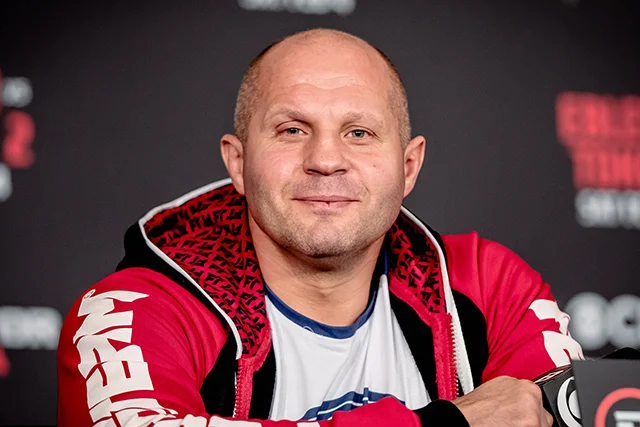
Fedor Emelianenko at a media appearance
Fedor Emelianenko at a media appearance. Via Sherdog. Image source ↗

Negotiations in 2009 failed to produce a deal, with co-promotion among the disputed issues. A potential meeting with Brock Lesnar was central to the public fascination. [9]

Fedor against Lesnar offered a spectacular clash: a heavyweight renowned for composure and finishing ability against a huge, explosive wrestler still developing as a mixed martial artist.

But Fedor’s arrival would have raised questions beyond that single matchup. How would he have adapted to a sustained UFC schedule and its heavyweight opposition?

A successful run could have strengthened his legacy in the eyes of fans who valued UFC competition most. Difficult results would have created a different debate about timing and career mileage.

We can compare résumés forever. A signed contract would have given us actual fights to discuss.

Why the question carried so much weight in 2009

Fedor had established his heavyweight championship credentials in PRIDE, taking its title from Antônio Rodrigo Nogueira in 2003 and later defeating Mirko Cro Cop. By the time of the 2009 negotiations, the unresolved UFC question concerned an already accomplished fighter, not an untested prospect awaiting validation. [19]

The talks also involved more than selecting an opponent. M-1’s publicly stated position required a co-promotional arrangement with the UFC. A hypothetical contract therefore assumes a major business disagreement was resolved before the sporting questions could be answered. [9]

One dream fight versus an entire run

Our tactical case for Fedor against Lesnar starts with the transitions: whether Lesnar could establish control without allowing a dangerous exchange on the way in, and whether Fedor could create space or a submission threat once underneath. Each answer would depend on what actually happened between them, not on reputations alone.

What could change: One result could settle one matchup. A sustained run would answer the larger question of how Fedor adapted to a different competitive environment. Neither scenario should erase what he had already achieved elsewhere.

01The opening bell we never heard

What if Khabib Nurmagomedov and Tony Ferguson had finally fought?

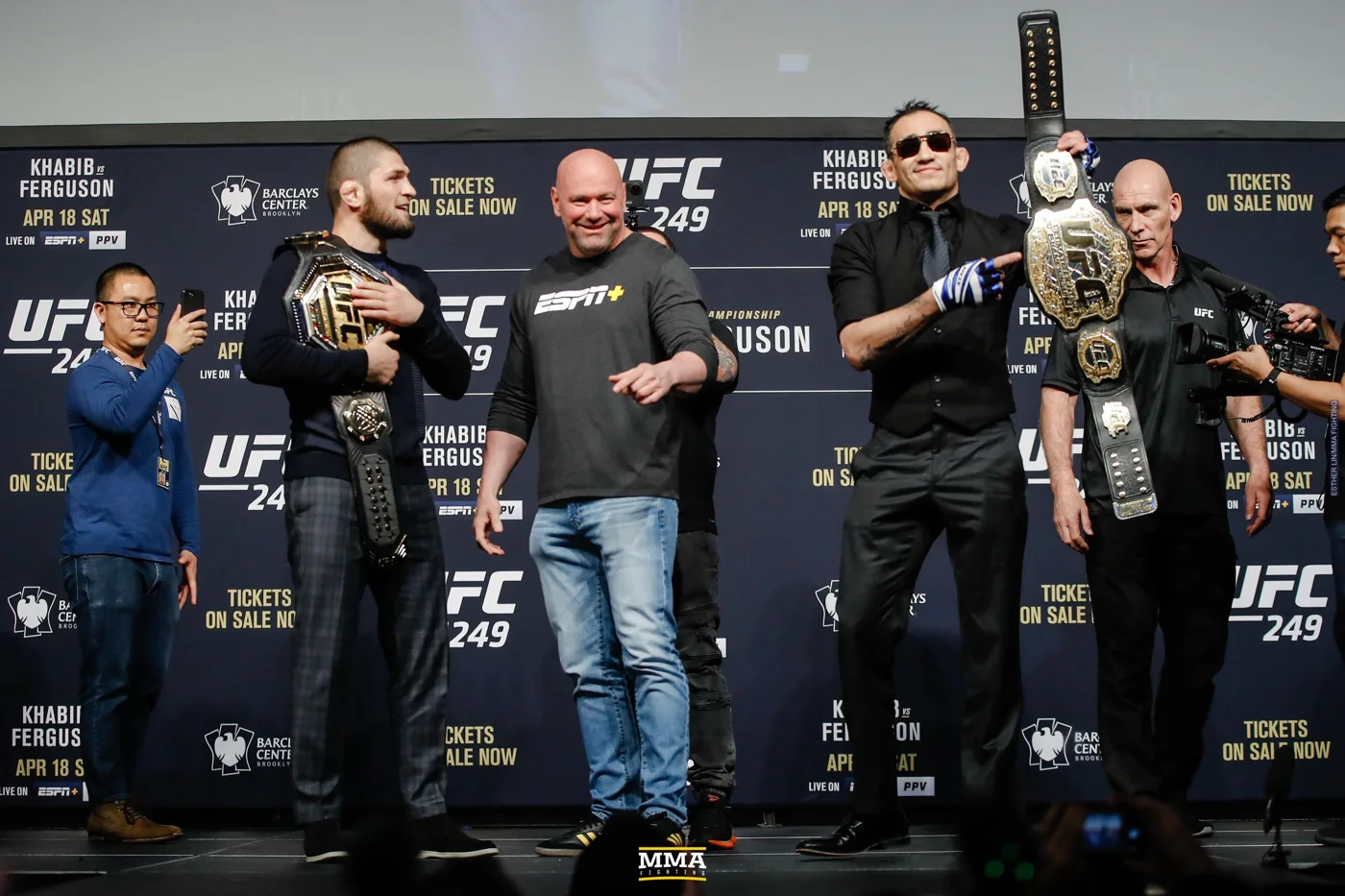
Khabib Nurmagomedov and Tony Ferguson promote their scheduled 2020 fight
Khabib Nurmagomedov and Tony Ferguson promote their scheduled 2020 fight. Via UFC on X. Image source ↗

Five bookings. Five cancellations. Across injuries, health problems and the disruption of the COVID-19 pandemic, the matchup repeatedly slipped away. [10]

At their peaks, they offered a question the lightweight division could not answer any other way. Khabib imposed control and made opponents work under relentless pressure. Ferguson welcomed frantic exchanges and created danger from awkward positions.

Could Ferguson’s activity and submission threats disrupt Khabib’s control? Or would those same risks give Khabib more opportunities to dominate?

Neither theory deserves to be treated as a result. That is why the missing fight remains so compelling.

For Superbeast MMA, this takes the top spot because the sporting question was exceptional and the opportunities were real. Fans repeatedly had a date to circle. Somehow, they never got the opening bell.

Five bookings, changing stakes

The cancellations stretched across years in which both careers and the lightweight championship picture were changing. MMA Fighting’s retrospective traces the sequence; UFC announcements and results confirm the later title implications. [10]

  1. December 2015: Nurmagomedov withdrew with a rib injury; Ferguson fought Edson Barboza instead.
  2. April 2016: Ferguson withdrew with a lung-related medical issue; Nurmagomedov faced Darrell Horcher.
  3. March 2017, UFC 209: Their interim-title fight was canceled after Nurmagomedov needed treatment for weight-management medical issues.
  4. April 2018, UFC 223: Ferguson’s knee injury removed him from the fight. Nurmagomedov eventually defeated Al Iaquinta to win the lightweight championship.
  5. April 2020, UFC 249: The pandemic and travel disruption ended the fifth attempt. The event was postponed; Ferguson later faced Justin Gaethje in May.
[20] [21] [22] [23]

The risk hidden inside Ferguson’s unpredictability

In our matchup analysis, Ferguson’s willingness to attack during awkward transitions is both the attraction and the uncertainty. A submission attempt could make Nurmagomedov defend. An unsuccessful attempt could also concede the position Nurmagomedov wanted.

Likewise, describing Nurmagomedov as a controlling wrestler does not answer how every scramble would unfold. Ferguson’s activity would matter most if it produced a real escape or threat, rather than movement that left him underneath.

What could change: The date matters. A fight in 2017 would test different versions of the athletes from a meeting in 2020. Any satisfying alternate history should say which booking it is changing instead of combining each man’s best qualities from different years.

Your turn

You get to change one moment.

Which MMA what-if are you choosing—and what happens next?

Back to the top ↑
Sources & editorial notes

This is an opinion feature grounded in the reporting below. Photographs are archival or labeled composites; they do not depict hypothetical fights taking place.

  1. UFC: UFC 151 cancellation announcement
  2. UFC: Brock Lesnar — Modern Day Gladiator
  3. MMA Fighting: Rousey and Cyborg’s weight dispute, 2012
  4. UFC: McGregor knocks out Aldo in 13 seconds
  5. UFC: Silva–Sonnen UFC 117 Hall of Fame announcement
  6. UFC: Cain grapples with consistency
  7. Sportsnet: UFC targets GSP–Silva at Cowboys Stadium
  8. UFC: PRIDE purchase history; MMA Mania: PRIDE’s final event
  9. Sherdog: M-1 discusses Fedor–UFC talks
  10. MMA Fighting: The five Khabib–Ferguson cancellations
  11. UFC: Lesnar’s withdrawal from UFC 131
  12. UFC: Rousey on the proposed weight
  13. UFC: Cyborg and the difficulty of making 135 pounds
  14. UFC: Fifth-round finishes and Silva–Sonnen
  15. UFC 117: official result
  16. UFC: Velasquez’s UFC 180 withdrawal
  17. UFC: Velasquez’s return at UFC 188
  18. UFC: PRIDE’s round format
  19. UFC: Fedor’s PRIDE championship history
  20. UFC: UFC 209 cancellation announcement
  21. UFC: UFC 223 and the lightweight championship
  22. UFC: UFC 249 postponement
  23. UFC: Ferguson–Gaethje result

Share the story.

Pass the message to someone who might connect with it.

Keep exploring